Train travel gets costlier: Indian Railways to earn Rs 600 crore — here is how much your ticket will cost now
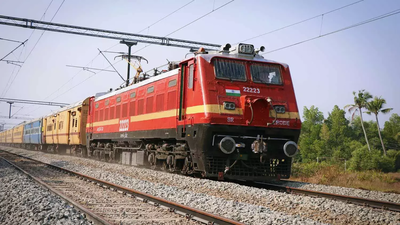
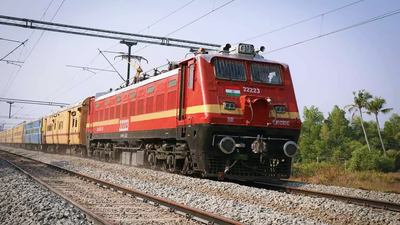
Indian Railways on Sunday announced a revised fare structure for passengers that will come into effect from December 26, as part of a fare rationalisation exercise to address rising operational and manpower costs.According to the Railways, the revised fare structure is expected to earn approximately Rs 600 crore in during the current year.Here’s the new price structure:
- Passengers travelling up to 215 km in Ordinary Class will continue to pay the existing fares.
- For longer distances, marginal revisions have been introduced. Ordinary Class passengers travelling beyond 215 km will see fares rise by 1 paise per kilometre.
- Passengers travelling in non-AC coaches on Mail and Express services will pay 2 paise more per kilometre from December 26. This will translate into an additional Rs 10 for a 500 km journey.
- Fares for AC class passengers on Mail and Express trains will also increase by 2 paise per kilometre from December 26.
- Suburban and monthly season tickets will see no price increase.
Why the prices are hiked?
The decision follows a period of rapid expansion in the railways’ network and services over the past decade. With operations scaling up and a stronger focus on safety, manpower requirements have increased significantly. Manpower costs have risen to Rs 1,15,000 crore, while pension expenditure now stands at Rs 60,000 crore. Overall operational expenditure for 2024–25 has reached Rs 2,63,000 crore. To address these financial pressures, the Railways is relying on a combination of higher cargo loading and limited passenger fare rationalisation. Officials said these efforts have contributed to improved safety outcomes and better operational performance. India has now become the second-largest cargo-carrying railway system globally, reflecting the scale of its freight operations. The Railways also highlighted the successful mobilisation of more than 12,000 trains during the recent festival season as an indicator of enhanced efficiency.