‘Result of institutional strength’: India logs steep decline in TB, malaria and maternal deaths; Nadda hails people’s participation | India News
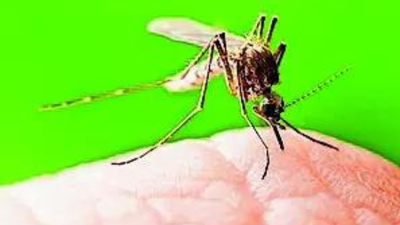
NEW DELHI: India has recorded steep declines in malaria, tuberculosis, maternal and child deaths, signalling what the government calls a decisive, results-driven phase in the country’s public-health journey.Addressing the Advancing Public Health Outcomes Forum 2025 on Wednesday, Union health minister JP Nadda said the gains were based on sustained political commitment, strong scientific capacity and people’s participation, rather than isolated programmes. “Disease control and immunisation outcomes today are the result of institutional strength and Jan Bhagidari,” he said.Incidence of malaria has dropped by over 80%, with deaths down 78%, shifting India from a high-burden to a high-impact phase. Incidence of tuberculosis has fallen from 237 cases per lakh population in 2015 to 187 per lakh — a 21% decline, nearly double the global average. Maternal mortality has reduced from 130 per lakh live births in 2014 to 88 in 2025, while infant mortality has declined from 39 to 27 per 1,000 live births. Under-five and neonatal mortality rates have also fallen far faster in India than globally.At the forum, four national reports reviewed progress on malaria, tuberculosis, lymphatic filariasis and immunisation. While they show that sustained programmes have sharply reduced the disease burden across most regions, they warn that the final phase of elimination will be the most demanding.The malaria assessment found transmission persisting in tribal, forested and hard-to-reach areas, with emerging risks in some urban pockets. As cases fall, experts cautioned that asymptomatic infections could be missed unless surveillance remains strong.The lymphatic filariasis report flagged gaps in post-treatment districts, especially in urban slums, industrial belts and migrant settlements. Uneven drug uptake, weak follow-up and limited morbidity care could threaten the 2027 elimination target despite years of mass drug administration.On tuberculosis, expanded diagnostics, digital tracking & newer regimens have improved outcomes, but poverty, malnutrition, migration and co-morbidities continue to drive transmission. Disruptions in care for migrants & the growing burden of post-TB lung disease among survivors were highlighted as major concerns.The immunisation assessment pointed to strong childhood coverage but warned of problems beyond early life—gaps in adolescent and adult vaccination, data inconsistencies and the absence of a life-course immunisation strategy.Strengthening primary healthcare remains central to the government’s approach. Nadda reiterated the goal of one Ayushman Arogya Mandir for every 2,000 people, noting that over 30,000 centres have already achieved national quality certification.