Jaya Bachchan fought Rajesh Khanna over Amitabh Bachchan on Bawarchi sets, reveals Raju Shrestha: ‘He didn’t want anyone to replace him’ | Hindi Movie News
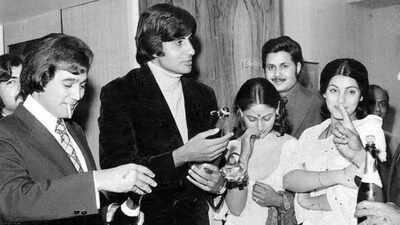
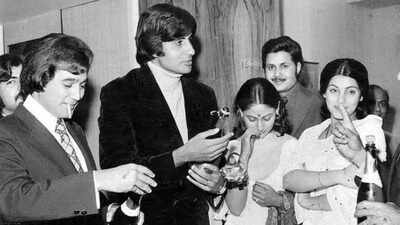
Raju Shrestha, popularly known as Master Raju, has recalled a long-forgotten clash between Rajesh Khanna and Jaya Bachchan during the shooting of Hrishikesh Mukherjee’s 1972 film Bawarchi. According to him, the argument erupted after Khanna made a remark about Amitabh Bachchan, prompting Jaya to step in and defend him.
Argument halted the shoot, says Master Raju
Speaking to Siddharth Kannan, Raju Shrestha said the disagreement was serious enough to bring the shoot to a standstill. “There was an argument and the shooting had also stopped, I only remember something like this because Bawarchi is a very old film,” he recalled.Explaining the reason behind the clash, he added, “That fight was regarding Amitabh Bachchan. Jayaji was friendly with Amit Ji and Amitabh was also close to Rishi Kapoor and he was doing a film with him. Rajesh Khanna had his own problem.”
Rajesh Khanna’s discomfort with Amitabh’s rising popularity
Raju further claimed that Rajesh Khanna was unsettled by Amitabh Bachchan’s growing popularity at the time. According to him, Khanna saw Big B as a direct threat to his position as Hindi cinema’s first superstar.“He didn’t want anyone to replace him, and Amitabh Bachchan was coming up with a lot of force,” Raju said. He added that matters escalated after a comment made by Khanna. “Rajesh Khanna said something against Amitabh Bachchan to Jaya ji and that’s when they fought and the shooting was halted.”
The turning point in Hindi cinema stardom
The incident gains significance in hindsight, as the power shift in Bollywood happened soon after. With the release of Zanjeer in 1973, Amitabh Bachchan’s career took a decisive turn. Films like Deewar, Sholay and Namak Haraam cemented his status as the new superstar, gradually replacing Rajesh Khanna at the top. Rajesh Khanna, despite enjoying unprecedented success early in his career, later faced a string of flops and increasing isolation. Raju’s recollection offers a rare glimpse into the personal insecurities, ego clashes and changing equations that defined a crucial transition period in Hindi cinema.