

Epstein files fallout: Did White House steps in to control DOJ messaging — Here’s what we know about report
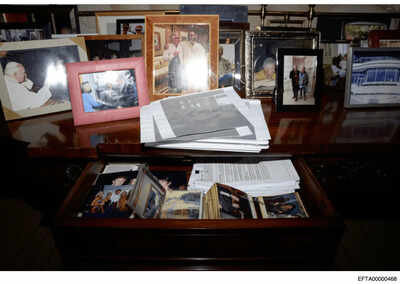
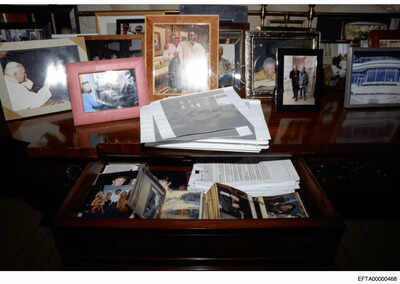
When the Epstein files hit X, the blowback hit harder. Now, in an unusual damage-control move, the White House has taken charge of the Justice Department’s social media messaging, trying to steady the narrative after a chaotic release, sudden deletions, and a wave of conspiracy theories rattled the Trump administration. According to Axios, the department of justice (DOJ), under Attorney General Pam Bondi, has been working through a reported trove of over 1.45 million records to meet the requirements of the Epstein Transparency Act, personally signed by President Trump. Faced with criticism, White House officials assumed control of the account to sharpen messaging and steer away from the negative public reaction.One day after posting the first batch of documents, the DOJ reclaimed 13 files without explanation. Democrats on the House Oversight Committee asked Bondi on X, “What else is being covered up?” Bondi is facing calls for impeachment and contempt of Congress over her handling of the files.One retracted file featured a photograph of Trump, 79, found in a drawer at an Epstein property. The DOJ said it removed the image out of concern for victims before reinstating it following further review.An unnamed official told Axios that a second batch of files – in which the president features more prominently – was released prematurely owing to an internal error.Officials close to the administration voiced frustration: “It’s a combination of extreme frustration at everything: at what Congress did, at our response to it, and a concern that it won’t go away.”Bondi’s department was also criticised for not releasing all records by the Friday deadline, as required by law. More than 200 staff worked through the backlog, but puzzling redactions have undermined the pledge of full transparency.In one case, the publicly available addresses of the United States Attorney’s Office and the New Mexico Department of Justice were removed from a 2020 letter about the seizure of an Epstein property. “These redactions are so arbitrary, it destroys the credibility of the entire exercise,” journalist Michael Tracey wrote on X. “They’re redacting completely banal documents that have already been in the public domain for years!”A reporter from the Miami Herald noticed another 2008 document that was unjustifiably redacted under the Transparency Act.Critics have also pointed to the quality of the documents released. After issuing 30,000 new investigative records on Tuesday, the DOJ included an alleged letter from Epstein to convicted sex offender Larry Nassar in which “our president” liked “nubile” girls. The letter was postmarked after Epstein’s death and passed through a mail room that did not handle correspondence from Epstein’s New York jail, and it was later determined to be a fake. The department released it anyway in the interest of “transparency.”The DOJ later posted on X, “The FBI has confirmed this alleged letter from Jeffrey Epstein to Larry Nassar is FAKE,” prompting concerns over the release of disinformation.On Tuesday, another questionable document slipped through vetting even as the department warned some records could be “untrue and sensationalist” but insisted on issuing them for “transparency.”Although no “smoking gun” has been found linking President Trump to wrongdoing, he remains rattled by mentions of his name in the files. “The minute he thinks it’s unfair to him and it’s a personal attack, he just goes into fight mode,” an insider told Axios in November.Around 700,000 files still await review, prolonging the scrutiny of the Trump administration. “This will end soon,” one official said. “The conspiracy theories won’t.”