

Mobility infra shift: RRTS can reshape urban travel and spur decentralised growth; Knight Frank flags investment, housing opportunities
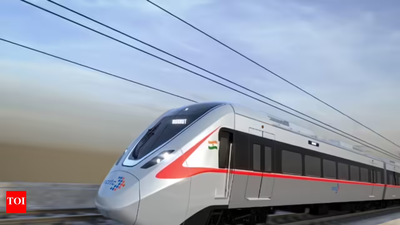
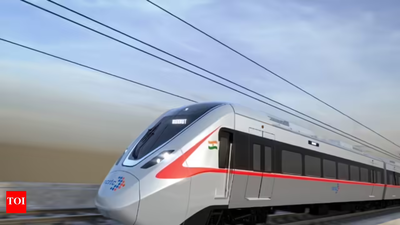
The Regional Rapid Transit System (RRTS) has the potential to fundamentally change urban mobility patterns while acting as a catalyst for decentralised economic growth along transit corridors, real estate consultant Knight Frank said in a new report, PTI reported.According to a Knight Frank India study released on Friday, titled ‘Regional Rapid Transit System: Testing the Commuters’ Pulse’, the RRTS represents a significant step in India’s push for faster, more efficient and better-integrated regional transport, PTI reported.The report said the high-speed rail system could sharply reduce travel time, expand labour markets and help peripheral cities integrate more closely with national and global value chains, strengthening their economic relevance.The flagship Delhi–Ghaziabad–Meerut RRTS corridor, being implemented by the National Capital Region Transport Corporation (NCRTC), has already begun phased operations. Approved at a cost of over Rs 30,000 crore, the 82-km corridor is expected to cut travel time between Delhi and Meerut to under an hour.Shishir Baijal, chairman and managing director of Knight Frank India, said the RRTS should be viewed as more than a transport project. “RRTS is not only a transport solution, but a catalyst for decentralised economic growth,” he said.“For investors and developers, RRTS corridors represent tangible opportunities for growth where infrastructure dovetails with land-use planning and commercial momentum,” Baijal added, while noting that long-term success would depend on coordinated planning across transport, land use and investment priorities.The report described RRTS as a structural intervention in India’s urban growth dynamics, stressing that its impact would hinge on more than timely infrastructure delivery. It called for coordinated efforts to expand economic opportunities, strengthen social and physical infrastructure, and ensure the availability of affordable housing along RRTS corridors to support sustainable urbanisation