On This Day in Delhi, 1981: How Geoffrey Boycott overtook Garry Sobers to become Test cricket’s top run-scorer | Cricket News
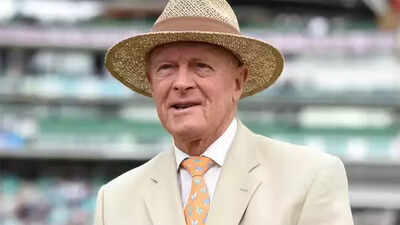
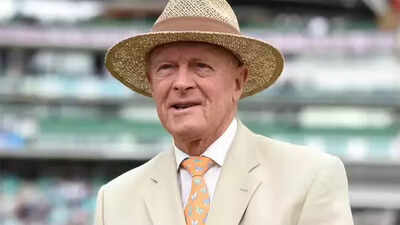
Before India’s batting maestros Sunil Gavaskar and Sachin Tendulkar stamped their dominance on the list of Test cricket’s top run-getters, West Indies’ legendary all-rounder Garry Sobers held the record for a long time, finishing his career with just over 8,000 runs.Go Beyond The Boundary with our YouTube channel. SUBSCRIBE NOW!Gavaskar later became the first batter to breach the 10,000-run mark and retired with 10,122 runs from 125 matches in 1987. Tendulkar then lifted the record even higher when he bid adieu with a staggering 15,921 runs from 200 matches in 2013. Before all that, Sobers had created the benchmark for most runs when he retired in 1974.
Sobers played for the mighty West Indies from 1954 to 1974, scoring 8,032 runs at a stunning average of 57.78 in just 93 Tests, including 26 hundreds and 30 fifties.Seven years later, on this day in 1981 — December 23 — England great Geoffrey Boycott surpassed the long-standing record in style in Delhi, hitting a hundred at the Feroz Shah Kotla Stadium. The match ended in a draw, despite England declaring their first innings at 476/9.
December 23, 1981 — The day Boycott etched his name in the record books
The England opener was in the final phase of a long career, having debuted against Australia at Nottingham in 1964. The India tour was his last Test series for the then 41-year-old batting legend.Before the fateful day, Boycott needed 82 runs to break Sobers’ towering record. England captain Keith Fletcher won the toss and decided to bat first in Delhi.
Poll
Who do you think is the greatest Test run-scorer of all time?
England started confidently as their openers — Boycott and Graham Gooch — scored steadily and added 132 runs for the opening wicket. Both reached their half-centuries before Dilip Doshi provided the hosts with their first breakthrough, dismissing Gooch for 71 off 176 balls, an innings that included 11 fours.By the end of the opening day, the record belonged to the England batter, with Boycott finishing on 86 not out to take his overall tally to a record 8,037 runs. England went to stumps at 190/1.Boycott completed his hundred — his 22nd and final century — the next day before falling to Doshi for 105. He struck just seven fours in his marathon 285-ball knock and added another century partnership of 116 runs with Chris Tavare, who scored a majestic 149 off 303 balls, including 18 fours.England ended Day 2 at 428/4, before the following day was taken as a rest day due to Christmas.England declared at 476/9 on Day 3, but India replied steadily, with opener and captain Gavaskar contributing 46. At stumps, India were 172/3, with Gundappa Viswanath unbeaten on 67 and Sandeep Patil on 30. India batted through the entire fourth day, adding 204 runs for the loss of four wickets, with Viswanath scoring 107.India were eventually bowled out for 487 on the final day, after which England batted briefly before declaring their second innings on 68 without loss. The two teams then shook hands on a draw, but the match remains best remembered for Boycott’s record-breaking feat on the opening day.
Geoffrey Boycott’s ‘abrupt’ final goodbye
Boycott brought down the curtain on his 18-year Test career in the next match of the tour at the iconic Eden Gardens. It was a subdued end, as he managed just 18 and 6 in the two innings of the Kolkata Test, which also ended in a draw.Hosts India won the six-match series 1-0, following their 138-run victory in the opening Test at the Wankhede Stadium in Mumbai.The Kolkata Test was the fourth match of the series, and interestingly, Boycott returned to England before the tour concluded, abruptly ending his Test career as the leading run-getter in the format’s history.